

Best Way to Clean an Abrasion Before Treatment?
The best way to clean an abrasion before treatment is by gently rinsing the affected area with clean, lukewarm water to remove any dirt or debris. Use a mild soap if necessary, but avoid harsh chemicals or scrubbing, as this can irritate the wound. After cleaning, apply a sterile bandage to protect the area from further contamination. Dr. Kevin Penwell, D.O., at Immediate Care of Oklahoma, advises proper wound care to prevent infection and promote healing. For more information, contact us or schedule an appointment online. We have convenient locations to serve you in Oklahoma City, OK.
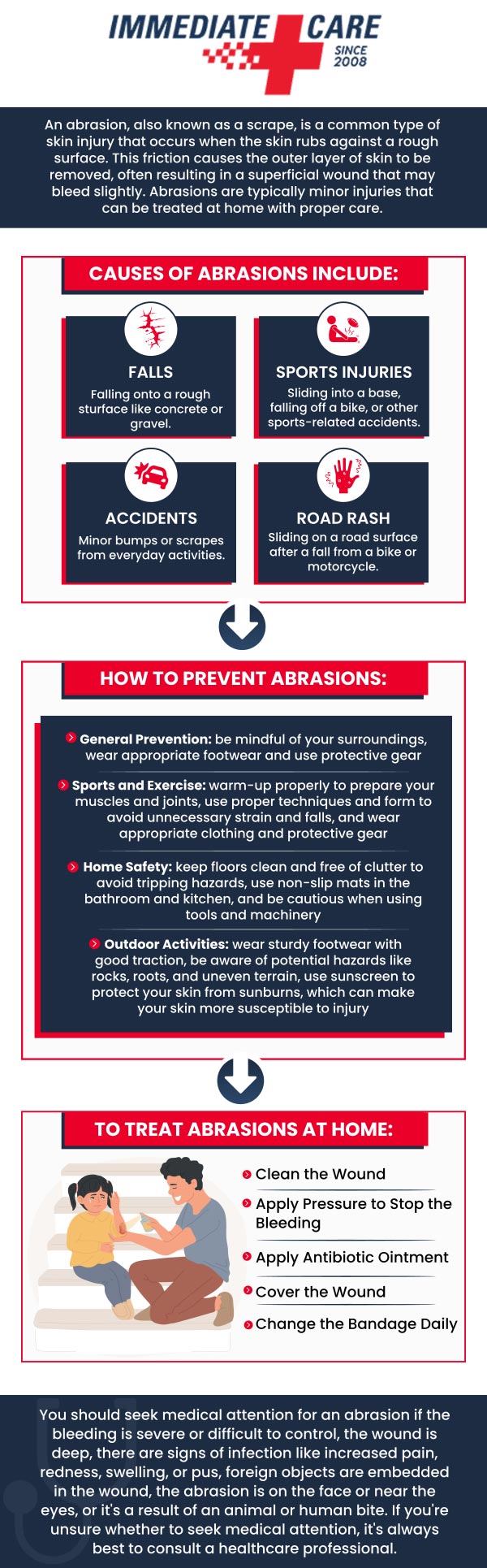
Table of Contents:
What should I use to gently clean an abrasion?
How do I remove dirt or debris from a scraped wound?
What should I avoid using when cleaning a fresh abrasion?
Should I see Dr Kevin Penwell instead of cleaning an abrasion at home?
If you or a loved one experiences a minor skin abrasion, proper cleaning is essential to prevent infection and promote healing. At Immediate Care of Oklahoma, our healthcare professionals recommend the following steps:
• Wash Your Hands: Before touching the wound, thoroughly wash your hands with soap and water. This helps prevent harmful bacteria from entering the abrasion.
• Rinse the Abrasion: Gently rinse the affected area under cool or lukewarm running water to remove dirt and debris. This is one of the best ways to reduce the risk of infection.
• Use Mild Soap: If needed, use a soft, clean cloth or gauze pad moistened with water and a small amount of mild, fragrance-free soap to gently clean around the wound. Avoid scrubbing, which can further irritate the skin.
• Avoid Irritants: Do not use hydrogen peroxide, iodine, or alcohol directly on the abrasion, as these substances can damage healthy tissue and delay healing.
• Dry and Protect: Pat the area dry with a clean towel or sterile gauze. Apply a thin layer of antibiotic ointment if recommended, then cover the abrasion with a sterile bandage to keep it clean.
• Monitor for Infection: Watch for signs of infection, such as increased redness, swelling, warmth, pain, or pus. If you notice any of these symptoms or if the wound does not begin to heal, contact us right away for professional evaluation and treatment.
If your abrasion is large, deep, or caused by a dirty or rusty object—or if you’re unsure how to care for it—visit Immediate Care of Oklahoma. Our experienced medical team is here to provide prompt and compassionate treatment for minor injuries and help you heal safely.
Cleaning dirt or debris from a scraped wound (abrasion) should be done gently and quickly to reduce infection and support faster healing. According to evidence-based wound care guidelines, the best way to clean a scraped wound is through irrigation, which means flushing the wound with clean running water or sterile saline solution. Studies show that tap water is as safe and effective as saline for most minor wounds and helps remove bacteria, dirt, and loose particles without damaging healthy tissue. Hold the wound under steady running water for several minutes to wash away debris.
If small particles remain, use clean, alcohol-sterilised tweezers to gently remove visible dirt, but avoid digging deeply into the skin. Mild soap can be used on the surrounding skin, not directly inside the wound. Harsh antiseptics such as full-strength hydrogen peroxide, iodine, or alcohol should not be poured into the wound because they can damage tissue and delay healing. After cleaning, gently pat the area dry, apply a thin layer of antibiotic ointment if desired, and cover it with a sterile bandage. Seek medical care if debris cannot be removed, the wound is deep, bleeding does not stop, or signs of infection such as redness, swelling, or pus develop.
At Immediate Care of Oklahoma, your health and safety are our top priorities—especially when it comes to treating everyday injuries like abrasions (scrapes). When caring for a fresh abrasion, we advise our patients to avoid using hydrogen peroxide, iodine, or alcohol-based products. Although these are commonly used for disinfecting, our medical team knows that such solutions can harm healthy tissue and actually slow down the healing process.
To prevent irritation and further complications, we also recommend avoiding harsh soaps, perfumed cleansers, or any products containing strong chemicals, as these can trigger allergic reactions or make the wound worse. Cotton wool should not be placed directly on an abrasion, since its fibres can stick to the wound and increase the risk of infection.
For optimal wound care, the providers at Immediate Care of Oklahoma suggest gently rinsing the abrasion with clean water or a sterile saline solution. If you need to dry or cover the area, use a clean gauze pad rather than cotton. If you have any questions or concerns about wound care, or if the abrasion appears deep, becomes red, swollen, or shows signs of infection, don’t hesitate to visit one of our convenient locations. Our caring professionals are here to help you heal quickly and safely.
If you’ve suffered an abrasion, you may be wondering if you need to visit Immediate Care of Oklahoma or if you can manage the wound at home. For minor abrasions, home care is often sufficient: gently clean the area with mild soap and water, remove any visible dirt, apply an antibiotic ointment, and cover the wound with a clean bandage. These steps help prevent infection and promote healing.
However, there are times when professional medical care is the best choice. At Immediate Care of Oklahoma, Dr. Kevin Penwell, D.O., is here to help if:
• The abrasion is especially large, deep, or was caused by a dirty or rusty object.
• You’re unable to remove all debris from the wound.
• The wound shows signs of infection, such as increased redness, swelling, warmth, pus, or you develop a fever.
• Your last tetanus shot was more than five years ago.
• You have underlying health conditions, like diabetes, that may affect healing.
• You’re unsure about the severity of the abrasion or how to care for it.
Our walk-in clinics offer prompt, professional care to ensure your wound is properly treated and to give you peace of mind. If you have questions about an abrasion or any injury, don’t hesitate to visit Immediate Care of Oklahoma for expert guidance and treatment.
For more information, contact us or schedule an appointment online. We have convenient locations to serve you in Oklahoma City, OK. We serve patients from West Moore OK, Norman (HealthPlex) OK, Norman (24th) OK, Edmond OK, Yukon OK, I-240 & Sooner RD OK, Tecumseh OK, and Bethany OK.


Additional Services You May Need
▸ Urgent Care Services
▸ Illness + Injuries
▸ On Site Lab + X-Ray
▸ Helpful Health
▸ Motor Vehicle Accidents
▸ Drug Testing
▸ MRO
▸ UTI Treatment
▸ Employment Physicals
▸ Workers Comp
▸ Strep Throat Treatment
▸ Pregnancy Testing
▸ Blood Pressure Testing
▸ Urinalysis
▸ Mononucleosis Treatment
▸ Suture Removal
▸ Respiratory Syncytial Virus
▸ OccMed



 How May I Help You?