

Is Mono Contagious? What Patients in Choctaw, OK Should Know
Infectious mononucleosis, commonly known as mono, is highly contagious and is primarily transmitted through the direct exchange of saliva, which is why it is frequently referred to as “the kissing disease.” The virus can also easily spread by sharing everyday items, and infected individuals can continue shedding the virus for months even after their symptoms have completely disappeared. To effectively manage your recovery and prevent spreading the infection to others, it is crucial to practice strict personal hygiene and consult with Kevin Penwell (D.O.) for a definitive diagnosis and personalized care guidelines. For more details, contact us or you can also book an appointment online. We are conveniently located at 1664 S Choctaw Road, Choctaw, OK 73020.
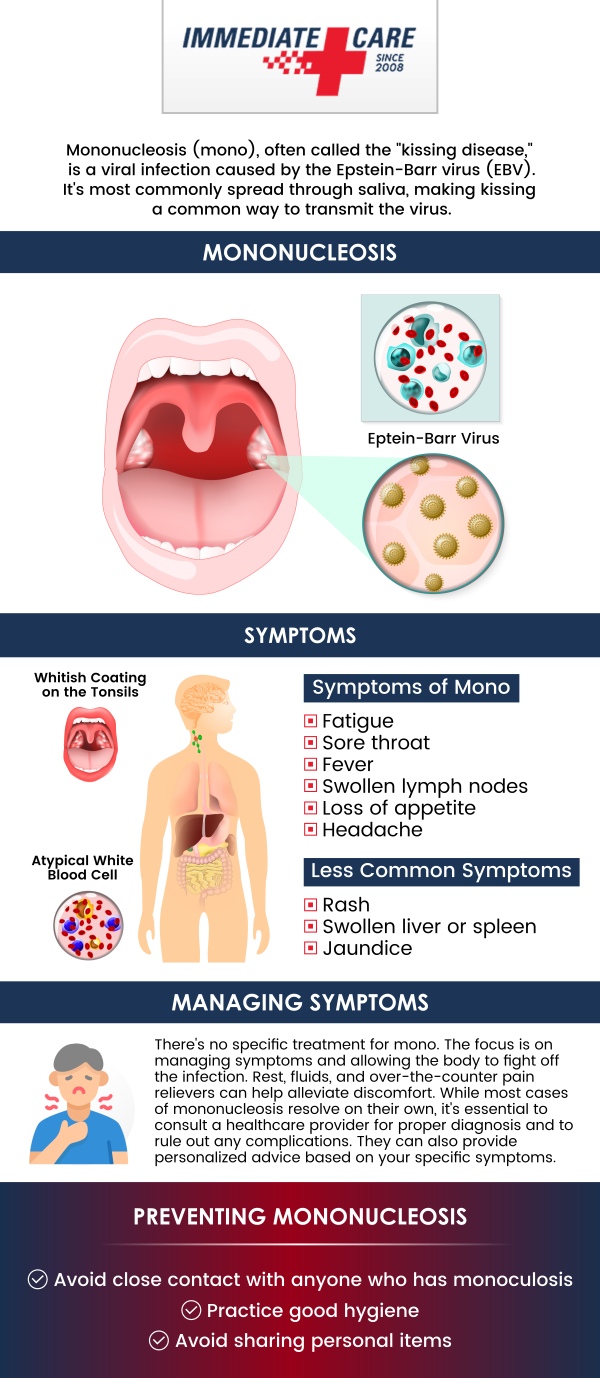
Table of Contents:
How is mono spread from person to person?
Can mono be spread through saliva or sharing utensils?
How long should someone with mono avoid close contact with others?
How can you protect yourself from getting mono? Advices from Dr. Kevin Penwell
Mono is primarily transmitted through saliva, which means kissing isn’t the only way you can catch it. Sharing drinks, eating utensils, or even toothbrushes with someone who is infected can spread the virus. Additionally, the virus can be passed through droplets from a cough or sneeze, though this is less common. In rare instances, mono can also be transmitted through blood or sexual contact.
If you think you may have mono, or if you’ve been exposed to someone who does, it’s important to seek medical care—especially if you’re experiencing persistent symptoms. Our clinics are equipped to diagnose and help you manage mono and other viral infections. We also provide guidance on how to prevent spreading the illness to family members, classmates, or coworkers.
If you’re feeling unwell or concerned about possible exposure to mono, visit any Immediate Care of Oklahoma for prompt evaluation and care. We’re here to help you feel better and keep your community healthy.
Mononucleosis, often called “mono,” is a common infectious disease caused by the Epstein-Barr virus (EBV). The virus is usually spread through saliva, which is why mono is sometimes called the “kissing disease.” However, it can also be transmitted by sharing items like eating utensils, drinking glasses, water bottles, or even toothbrushes. While less common, EBV can also be present in other bodily fluids, but saliva remains the main way the virus spreads.
Because people with mono can be contagious even without noticeable symptoms, it’s possible to unknowingly pass the infection to others through close contact or by sharing personal items. To help protect yourself and others, it’s important to avoid sharing drinks, utensils, or anything that might have come in contact with saliva, especially if you or someone close to you has had mono recently.
If you’re experiencing symptoms such as sore throat, swollen glands, fever, or extreme fatigue, Immediate Care of Oklahoma is here to help. Our experienced medical providers can evaluate your symptoms, provide testing if needed, and offer guidance for managing mono and preventing its spread to others.
At Immediate Care of Oklahoma, we often see patients concerned about infectious mononucleosis, commonly known as “mono” or the “kissing disease.” Mono is caused by the Epstein-Barr virus (EBV) and is most often spread through saliva. This means that activities such as kissing, sharing drinks, utensils, or even toothbrushes can easily transmit the virus.
The most contagious period for mono usually occurs during the acute phase, when symptoms like sore throat, fever, and fatigue are at their worst—typically lasting about two to four weeks. However, even after the acute symptoms resolve, the virus can continue to be present in saliva for several months, increasing the risk of spreading it to others.
If you or your child have been diagnosed with mono, our care team recommends avoiding close contact and refraining from sharing food, drinks, or personal items for at least four weeks after symptoms begin. Because the virus can linger, it’s wise to remain cautious for several months, especially when it comes to sharing utensils or drinks.
Strict isolation is not required, but practicing frequent handwashing and not sharing personal items are important steps to prevent spreading the virus. If you have questions about when it’s safe to return to school, work, or close contact with others, our medical providers are here to provide personalized advice and support.
At Immediate Care of Oklahoma, Dr. Kevin Penwell provides valuable insights on how to protect yourself from contracting mono (mononucleosis), a viral infection commonly caused by the Epstein-Barr virus. Mono is often spread through saliva, which is why it’s commonly referred to as the “kissing disease.” However, it can also be transmitted through shared items like drinks, utensils, and even close contact with someone who is infected.
Dr. Penwell advises taking these preventive measures:
● Avoid sharing personal items: This includes drinking glasses, utensils, or anything that may come into contact with saliva.
● Practice good hygiene: Wash your hands frequently, especially after touching shared surfaces or objects.
● Limit close contact: If someone close to you is sick, avoid close contact such as kissing or hugging until they’ve fully recovered.
● Boost your immune system: Maintain a healthy lifestyle through regular exercise, a balanced diet, and enough sleep to strengthen your immune defenses.
If you suspect you’ve been exposed to mono or are experiencing symptoms like fever, sore throat, and fatigue, Dr. Penwell encourages you to seek medical advice. Early diagnosis and care can help manage symptoms and prevent complications. For more details, contact us or you can also book an appointment online. We are conveniently located at 1664 S Choctaw Road, Choctaw, OK 73020. We serve patients from Choctaw OK, West Moore OK, Norman (HealthPlex) OK, Norman (24th) OK, Edmond OK, Yukon OK, I-240 & Sooner RD OK, Tecumseh OK, Bethany OK and surrounding areas.


Additional Services You May Need
▸ Urgent Care Services
▸ Illness + Injuries
▸ On Site Lab + X-Ray
▸ Helpful Health
▸ Motor Vehicle Accidents
▸ Drug Testing
▸ MRO
▸ UTI Treatment
▸ Employment Physicals
▸ Workers Comp
▸ Strep Throat Treatment
▸ Pregnancy Testing
▸ Blood Pressure Testing
▸ Urinalysis
▸ Mononucleosis Treatment
▸ Suture Removal
▸ Respiratory Syncytial Virus
▸ OccMed



 How May I Help You?